
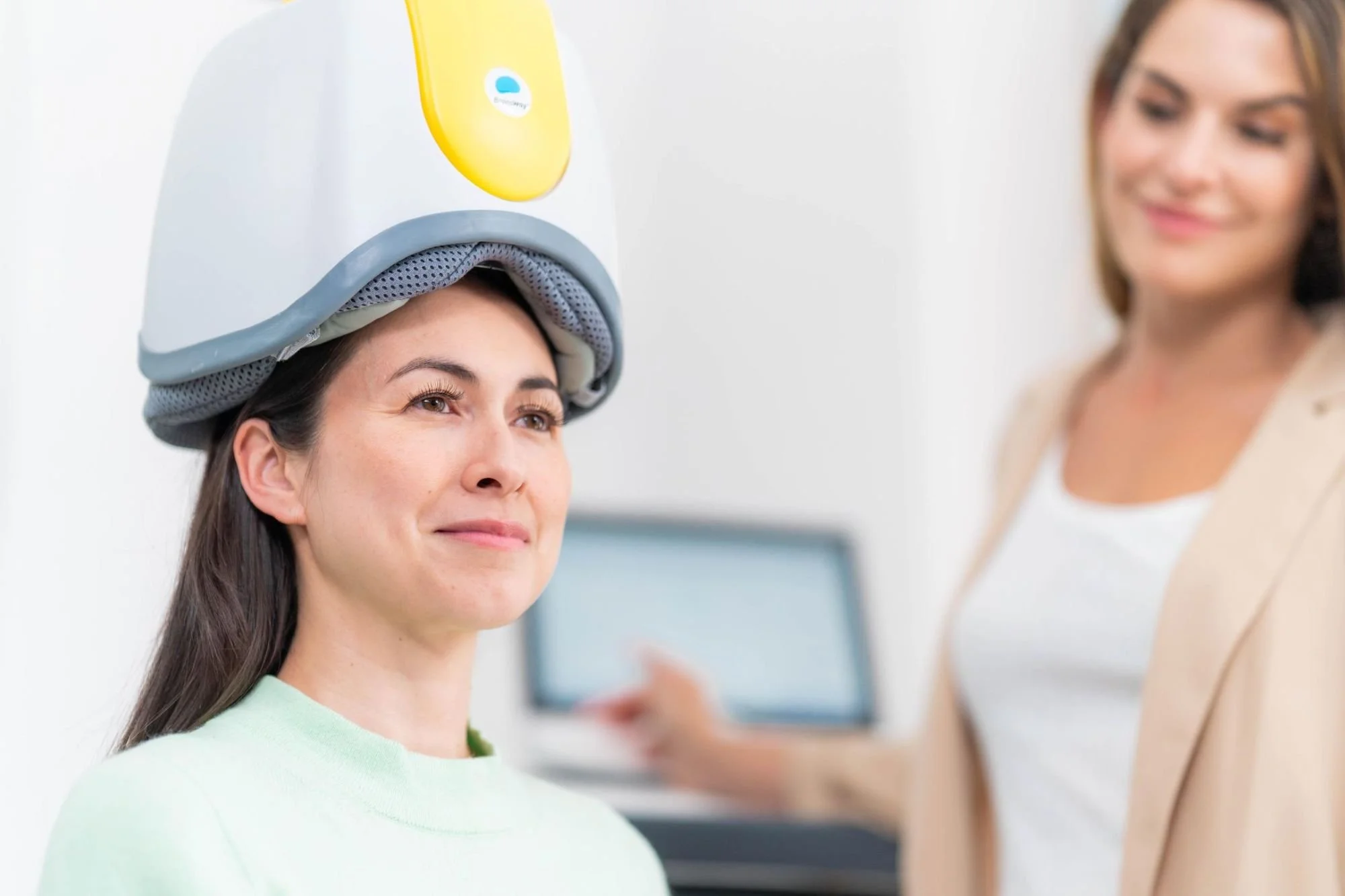
Transcranial Magnetic Stimulation (TMS)
Owl & Eagle Health and Wellness
Holistic Psychiatry, Psychotherapy, and Transcranial Magnetic Stimulation (TMS) in Denver and Golden, CO and serving Greater Colorado via Telehealth
On average, the patients Owl & Eagle has treated with Brainsway Deep TMS for treatment resistant depression have tried 5 medications without relief, and had moderately severe to severe depression scores prior to starting TMS treatment. In 100% of patients, Brainsway Deep TMS resulted in at least a 50% decrease in depression severity. More than 83% achieved a mild depression score, and 67% of patients achieved complete resolution of their depression symptoms.
If you would like more information about Transcranial Magnetic Stimulation (TMS) at Owl & Eagle Health and Wellness, Contact Us to set up a free TMS consult call or Book Now to request an intake appointment today. We offer intake visits in person at our offices in Golden or Denver, CO or via Telehealth anywhere in Colorado. TMS treatment is provided at our Denver location.
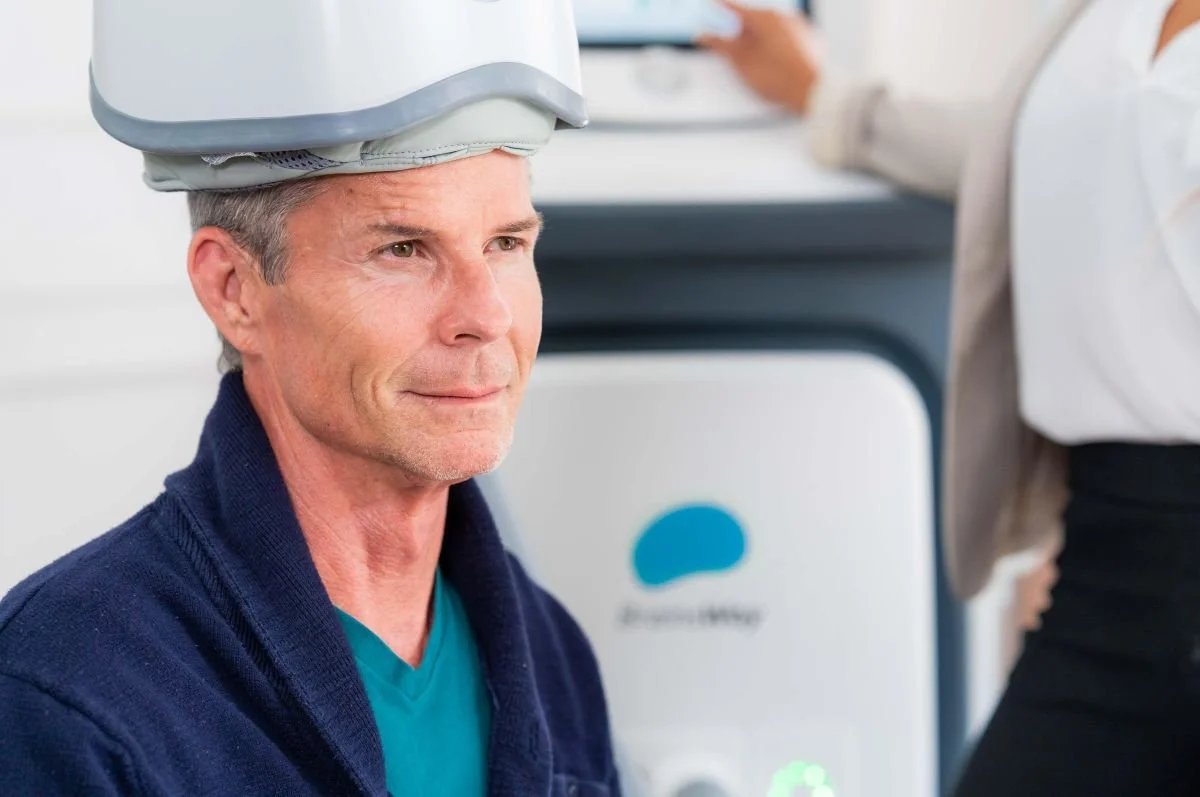
Do you have Depression or OCD? Have you tried other treatments, but they either didn’t help sufficiently or caused side effects? Transcranial Magnetic Stimulation (TMS) may be the solution.
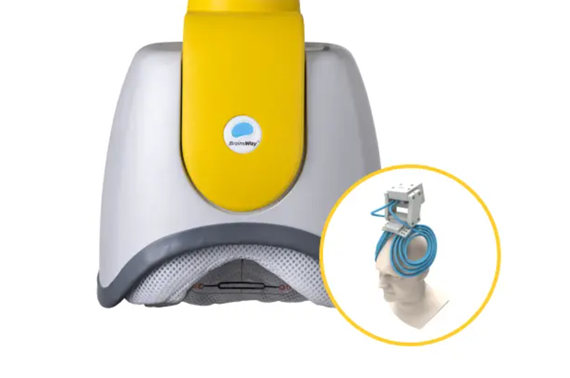
TMS is a revolutionary treatment that is changing mental healthcare. TMS uses a magnetic coil to send pulses to specific areas of the brain, helping to regulate dysfunctional brain activity. This enables these areas to return to normal function, leading to profound improvement in psychiatric symptoms and quality of life.
TMS is non-invasive, and does not require anesthesia or sedation, so you can return to your normal activities immediately after each treatment. Treatments can easily be incorporated into your daily routine.
Research shows that TMS is a highly effective treatment for Depression and OCD, even in cases where medication and therapy have failed to fully resolve the symptoms.
At Owl & Eagle Health and Wellness, we offer the most innovative type of TMS currently used in clinical practice, Brainsway Deep TMS.
TMS at Owl & Eagle Health and Wellness
If you would like to learn more about Transcranial Magnetic Stimulation (TMS) at Owl & Eagle Health and Wellness, Contact Us to set up a free TMS consult call or Book Now to request an intake appointment today.
We offer intake visits in person at our offices in Golden or Denver, CO or via Telehealth anywhere in Colorado. TMS treatment is provided in person at our Denver location. Click here or call 303-736-9697 today and start your journey to mental wellness!
Transcranial Magnetic Stimulation (TMS) Q&A
What are the benefits of Transcranial Magnetic Stimulation (TMS) for treating depression?
TMS offers numerous benefits for people with depression, especially people who haven't responded to traditional treatment:
TMS is Non-Invasive: TMS is a non-invasive procedure that doesn't require anesthesia.
TMS is Drug-Free: TMS does not cause the side effects commonly associated with antidepressants, such as sedation, weight gain, and loss of libido.
TMS is Highly Effective for Depression: Studies show that TMS can significantly reduce the severity of depression symptoms, even in individuals who haven't responded to traditional treatment with antidepressant medication and psychotherapy.
TMS has Minimal Side Effects: Most patients experience very mild side effects from TMS, such as mild headaches during treatment. The side effects typically resolve quickly after sessions, and often stop completely after a week or two of treatments.
TMS is Convenient: TMS does not involve anesthesia, so you can drive yourself to and from sessions. Each session only lasts about 20 minutes, and you can return to your regular daily activities immediately afterward.
TMS Provides Long-Lasting Relief: After completing a full course of TMS, most patients experience improvement in their depression symptoms for 6 months to a year.
Is TMS supported by research?
TMS is an evidence-based treatment backed by a large body of research. Repeated peer-reviewed, double-blind, sham-controlled clinical trials have shown that TMS safely and effectively alleviates symptoms of depression and OCD. Standard TMS protocols of 30-36 treatments are usually covered by insurance for these indications.
A smaller body of evidence supports the use of TMS for other indications, such as Bipolar Disorder, ADHD, PTSD, Smoking Cessation, and Binge Eating Disorder. Accelerated TMS treatment protocols have also been shown by a smaller body of research to be effective for many psychiatric conditions.
Is TMS covered by insurance?
Insurance coverage for TMS depends on your diagnosis, location, the TMS protocol, and your insurance plan. Most private insurers cover TMS for the treatment of Major Depressive Disorder (MDD) and some cover it for OCD. We will conduct a benefits investigation and prior authorization prior to scheduling treatments.
Use of TMS for other conditions and accelerated TMS protocols are considered experimental and are not covered by insurance. For TMS treatment that is not covered by insurance, we accept self-payment. For self-pay patients and patients with a large cost-share due to a deductible, copays, or coinsurance, we can offer payment plans if necessary. Your mental health is worth the investment.
What are the side effects with TMS?
TMS is a safe, effective, and well-tolerated treatment. In patients who experience side effects, most resolve on their own and do not require any special intervention. Only a very small percentage of patients discontinue treatment due to side effects. The most common side effects of TMS include temporary, mild discomfort in the area of the treatment site, typically occurring only within the first week or two of treatment; and mild headaches during or after treatments. Side effects usually diminish over the course of the treatment. Over-the-counter pain medications can be taken if desired.
Less frequent side effects that may occur during treatments include facial muscle twitching and pressure or discomfort in the scalp, face, or jaw. These side effects also tend to lessen over the course of treatment, and adjustments can be made to the helmet’s positioning and stimulation settings to alleviate these symptoms.
Seizure is a very rare side effect associated with TMS. Seizures occur in about 0.087% of patients receiving TMS, which is similar to the rate of seizures in patients taking antidepressant medications. Having a history of epilepsy or head injury, changes in sleep habits, alcohol intake, or medication during treatment can increase risk of seizure. In the unlikely event that a seizure occurs, your providers are trained to respond appropriately.
TMS does not cause the side effects that often occur with antidepressant medication, such as nausea, weight gain, loss of sexual desire, sedation, dry mouth, etc.
Will I need to stop my regular medications before starting TMS?
TMS is safe and effective in combination with psychiatric medications, psychotherapy, and as a standalone treatment. Certain medications may reduce treatment efficacy, and your provider will ask you to wait to take these medications until after your treatments. Be sure to notify your provider about all the medications and supplements you are taking and update them if any changes are made to your medication regimen during your course of treatment.
Is TMS like ECT?
While ECT uses electric shocks to induce seizures. TMS therapy uses brief magnetic pulses to stimulate areas of the brain, regulating dysfunctional brain activity and increasing neuroplasticity. ECT requires anesthesia and may cause memory loss. Unlike ECT, TMS does not involve the risks of anesthesia, does not cause memory loss during or after treatment, and is usually very well-tolerated.
Is there anything I can do to help maximize the benefits of TMS?
Healthy lifestyle changes can help maximize the improvement you receive from TMS, and can help the effects last longer. We recommend adopting a healthy diet including fruit, vegetables, olive oil, and fish; engaging in regular exercise, improving sleep hygiene to optimize your sleep; and using stress management techniques such as yoga, meditation, or breathwork. Your providers can support you in implementing and maintaining these changes.
Why should I choose Owl & Eagle Health and Wellness for my TMS treatment?
Unlike TMS clinics, we are a full service psychiatry practice. We offer comprehensive holistic psychiatric care, not just TMS. We provide expert diagnostic evaluations, medication management, psychotherapy, yoga, meditation, breathwork, and more. We will get to know you, and will partner with you to customize our treatment plan to your unique needs and preferences. We will provide ongoing support as you work toward optimal mental wellness.
If you would like to learn more about TMS at Owl & Eagle Health and Wellness, Contact Us to set up a free TMS phone consultation. If you are ready to get started, Book Now to schedule an intake appointment today.
Intake appointments are available in person at our offices in Denver and Golden, CO and via telehealth throughout Colorado. TMS sessions are conducted in person at our Denver location. Give us a call today! 303-736-9697 We look forward to working with you!